
About the Musée d’Orsay and the Seine
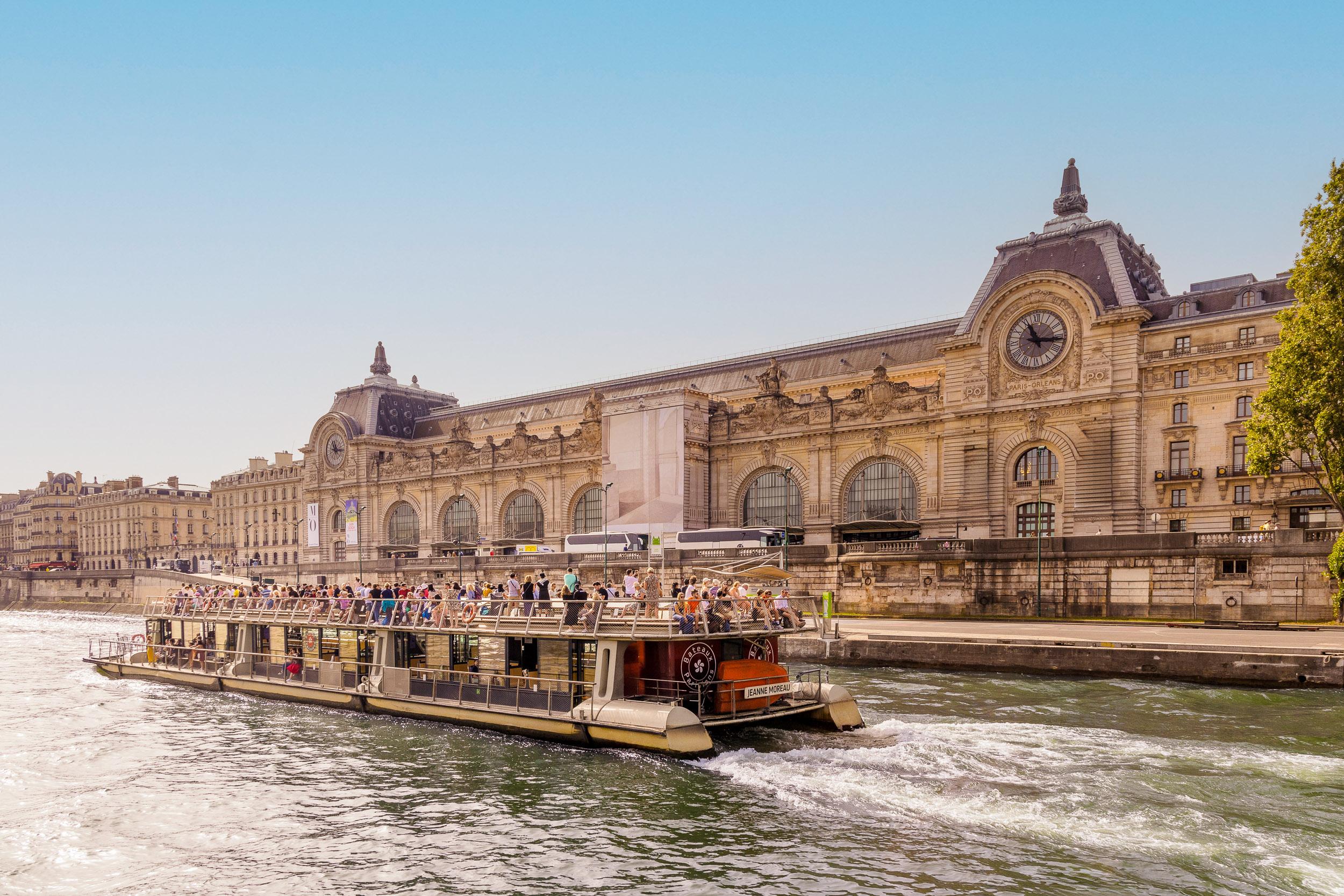
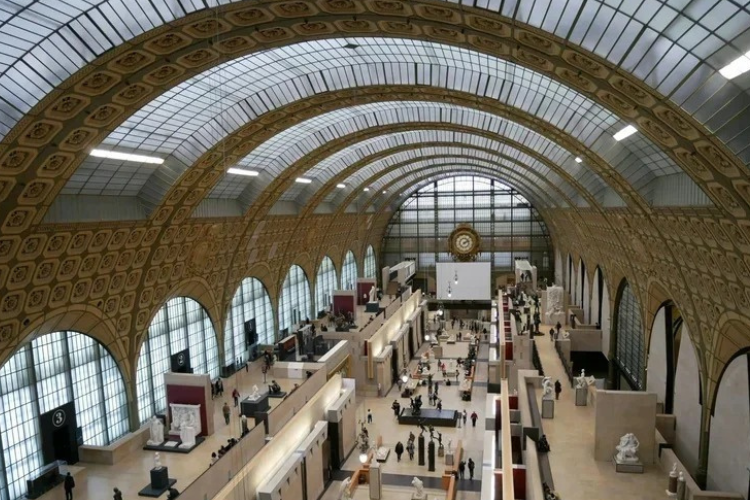
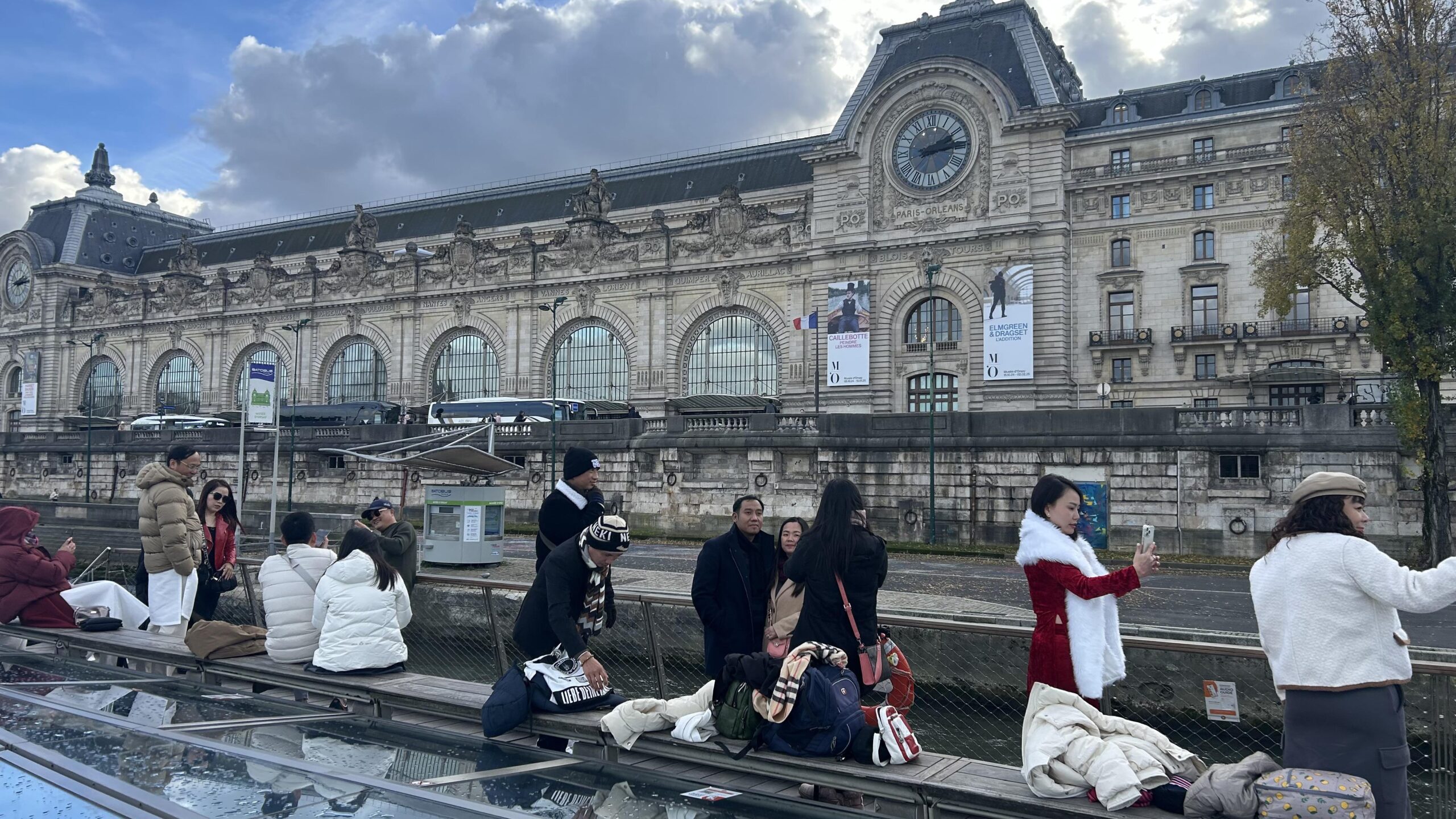
This activity unites two inseparable spaces in the history of Paris: the Musée d’Orsay, housed in the former Gare d’Orsay built for the Universal Exhibition of 1900, and the Seine, the great axis that has organized the artistic and monumental life of the city. The museum preserves the traces of its railway past and blends in perfectly with the urban landscape: bridges, historic facades and the sound of the Seine flowing along the great Parisian monuments.
What to see during the visit
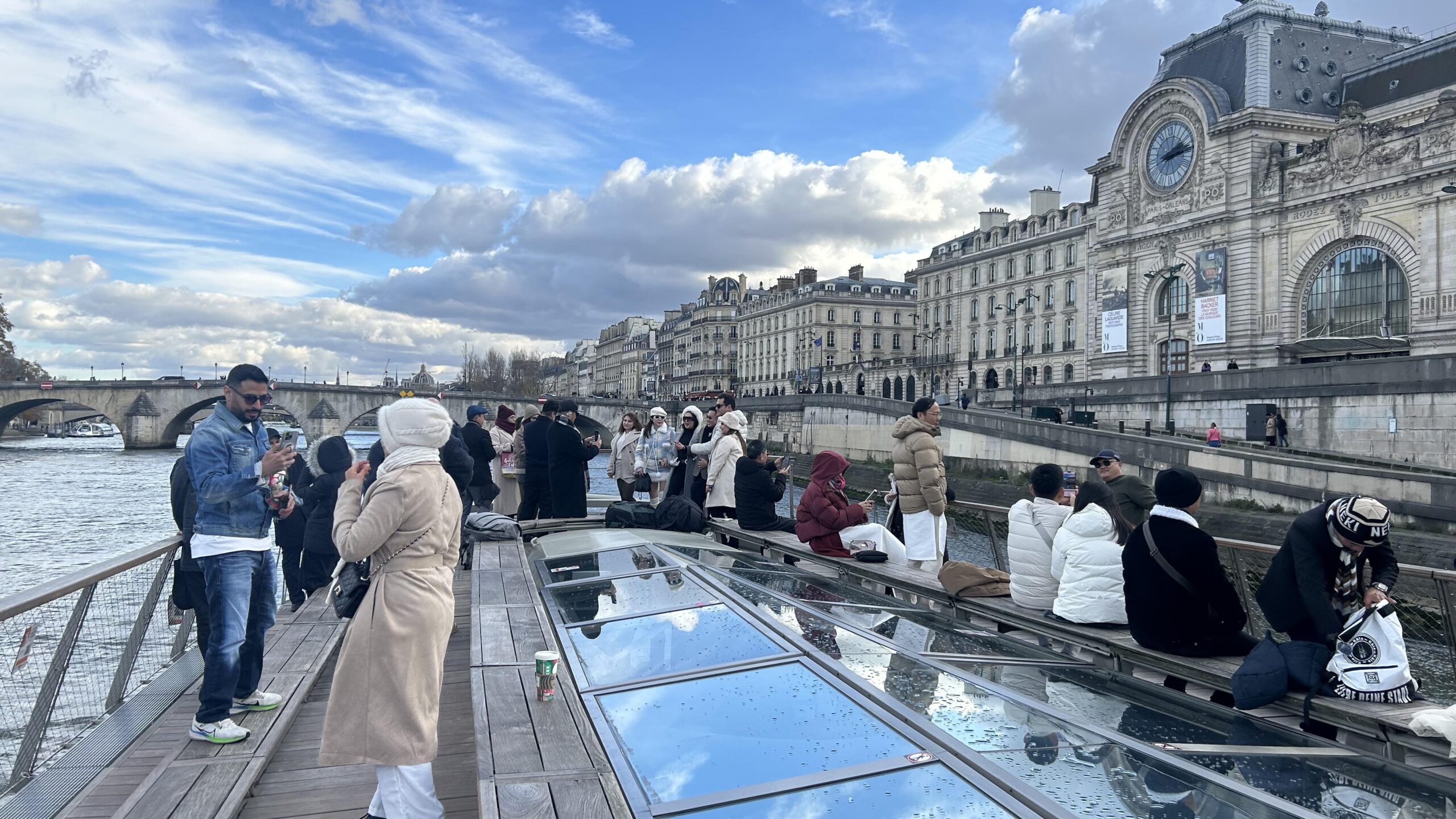
With the audioguide designed by experts, the visit to the Musée d’Orsay becomes an interpretative tour of the art of the 19th and early 20th centuries, with a special focus on the masterpieces of Impressionism and Post-Impressionism. In addition to painting, the itinerary allows visitors to appreciate sculpture, photography and decorative arts, and to understand how artistic languages evolved during this period. After the museum, the cruise on the Seine extends the experience with a heritage tour of the city: monumental profiles, historic bridges and perspectives that help to place Paris in its urban and historical context.
“Color is a power that directly influences the soul.” – Wassily Kandinsky.
Curiosities
- The museum was inaugurated in 1986 as one of the great cultural projects of contemporary France, culminating the conversion of the Gare d’Orsay into a state museum.
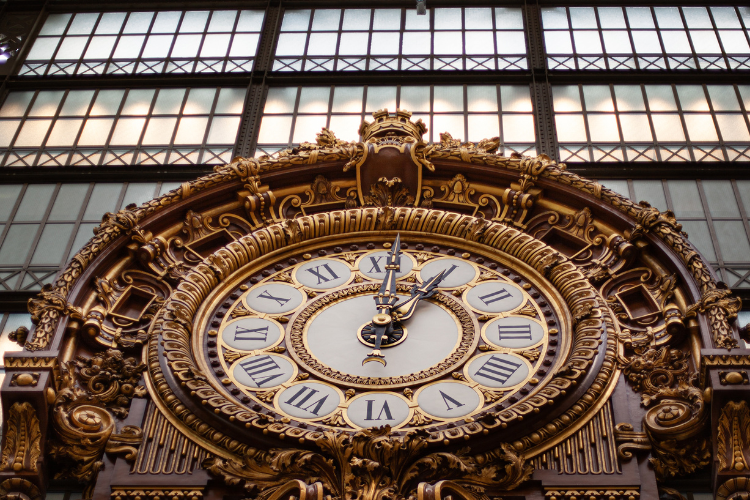
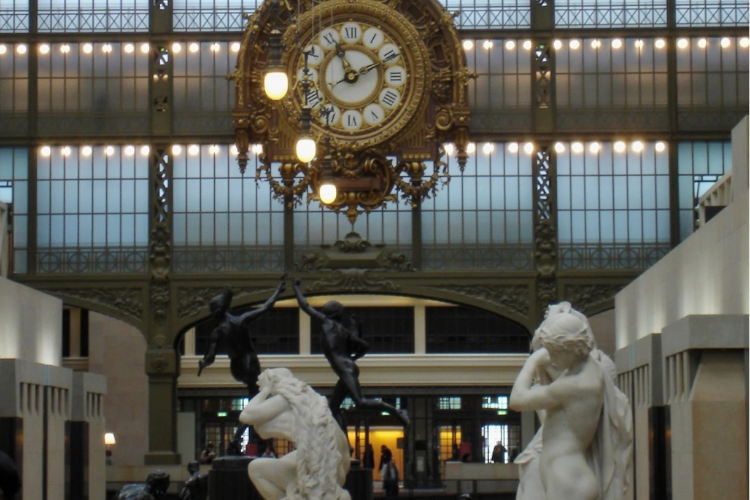
- The building’s large clock, visible from several rooms, preserves the memory of its railway past and has become one of its most photographed elements.
- The Seine has historically been the backbone of Paris: the cruise allows to understand how the river has articulated the city, its commerce and its monumental development.