
About the museums
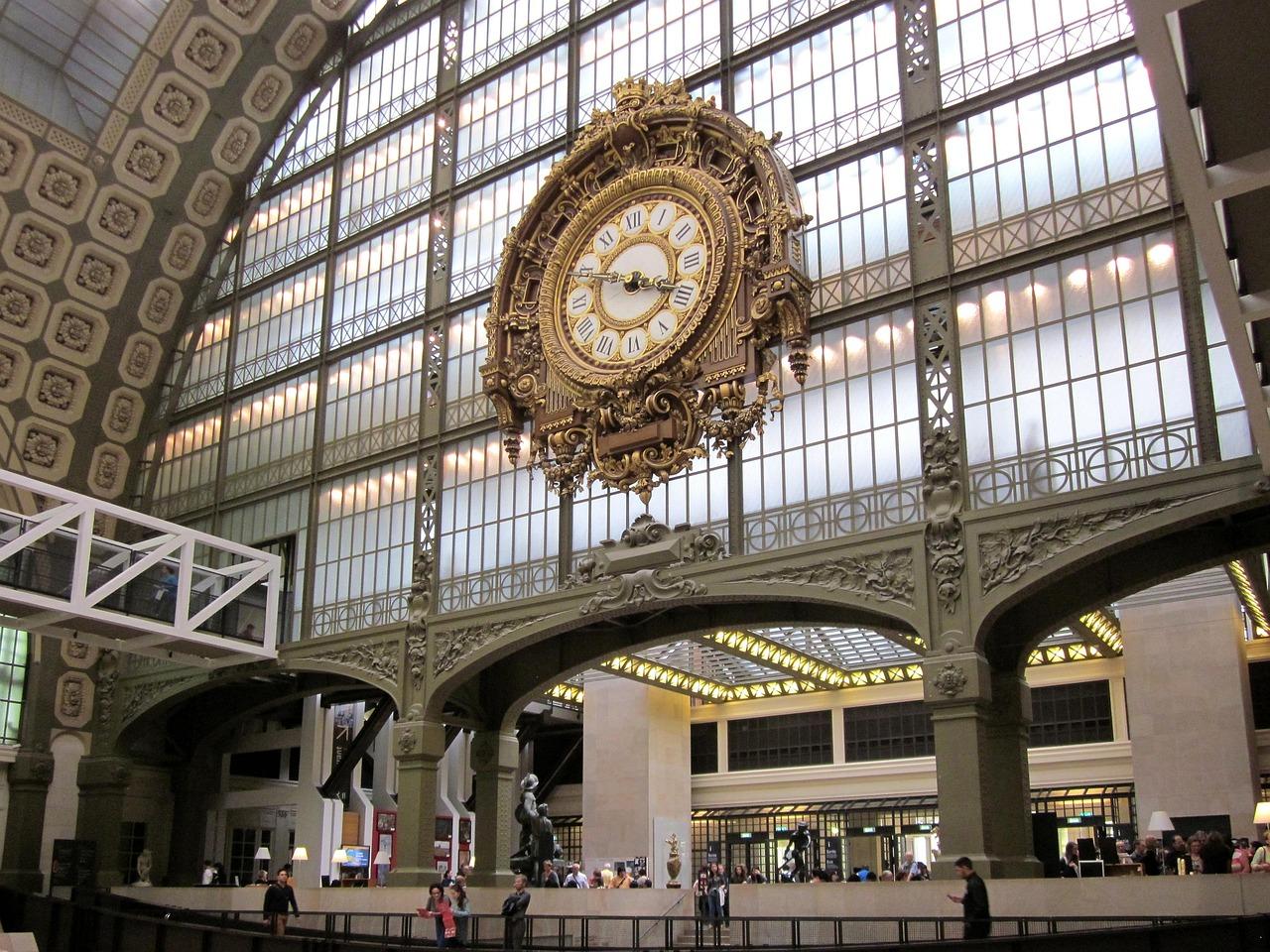
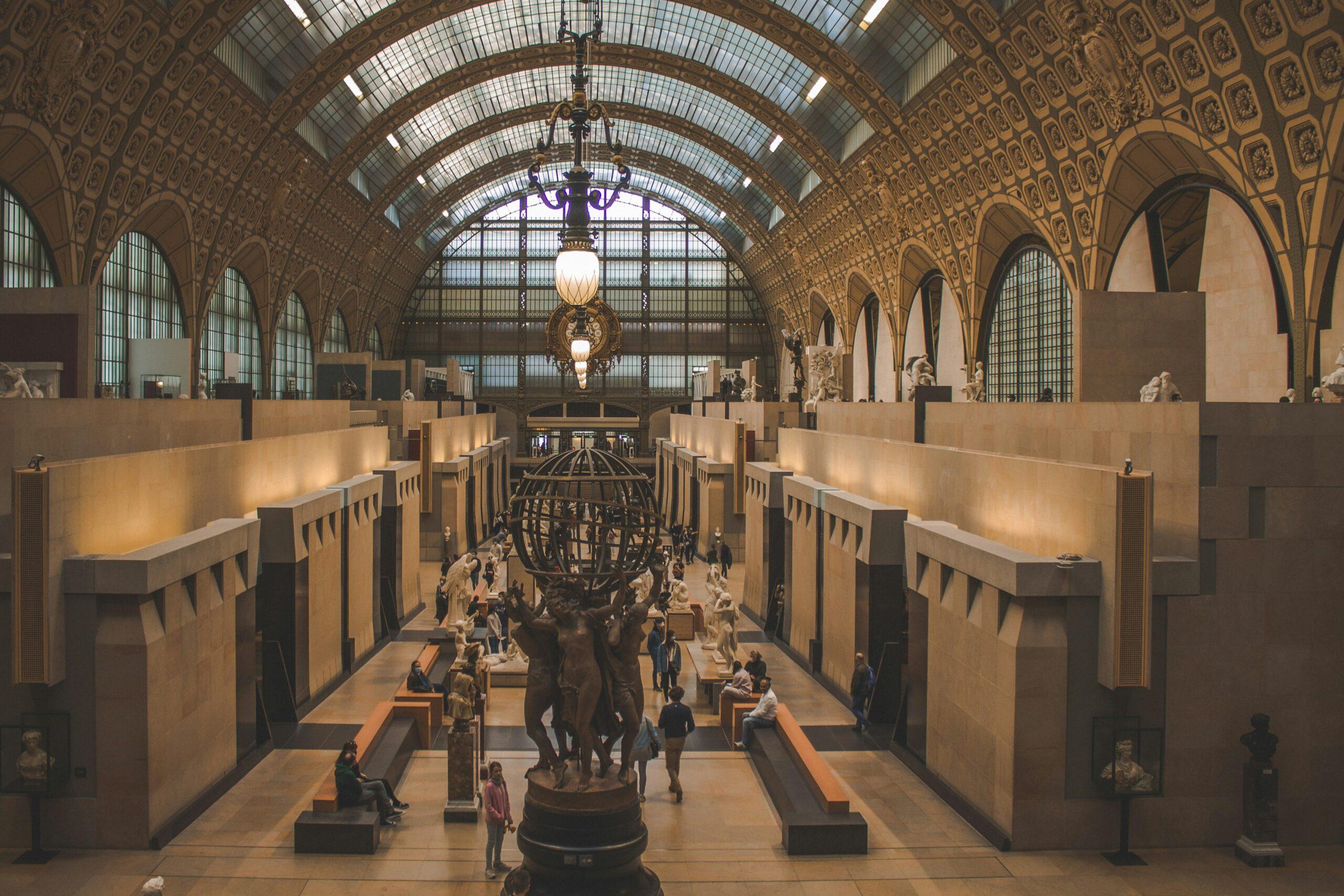
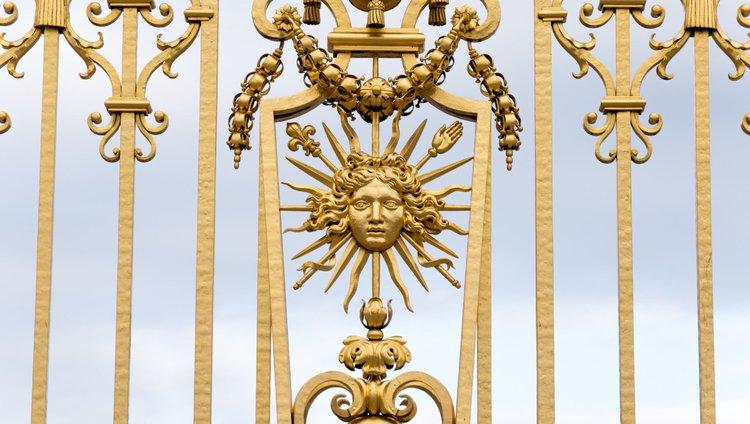
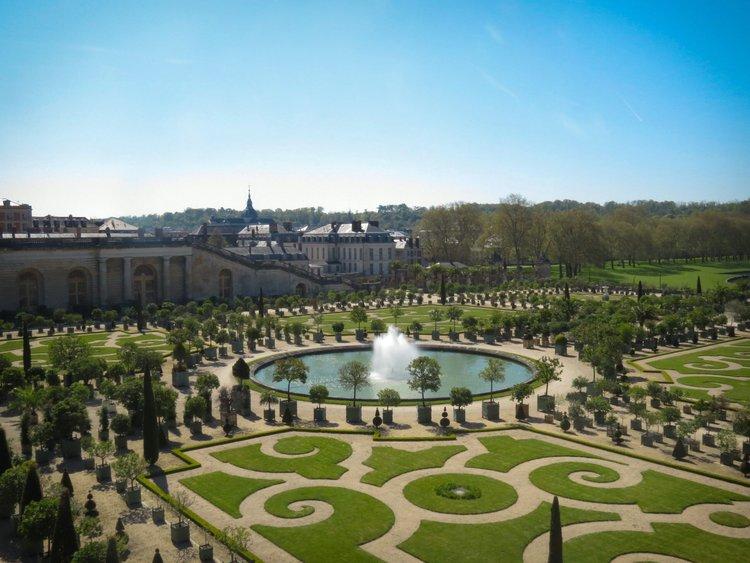
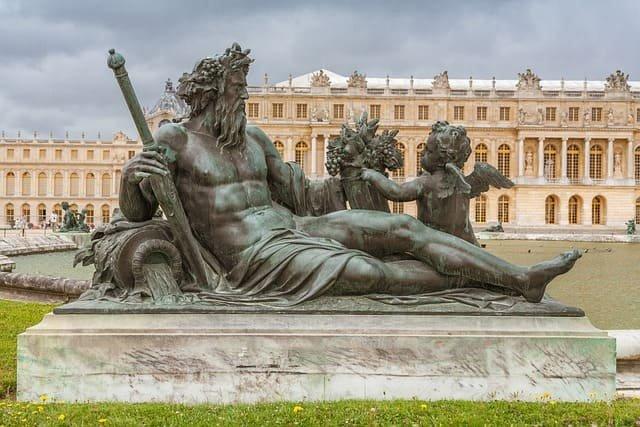
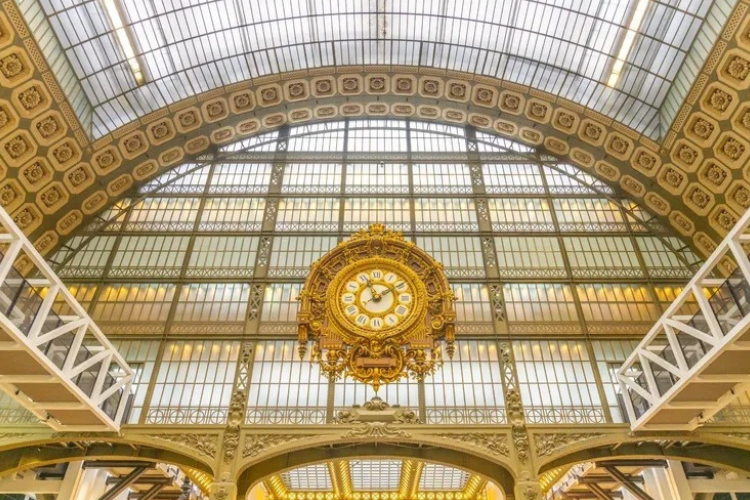
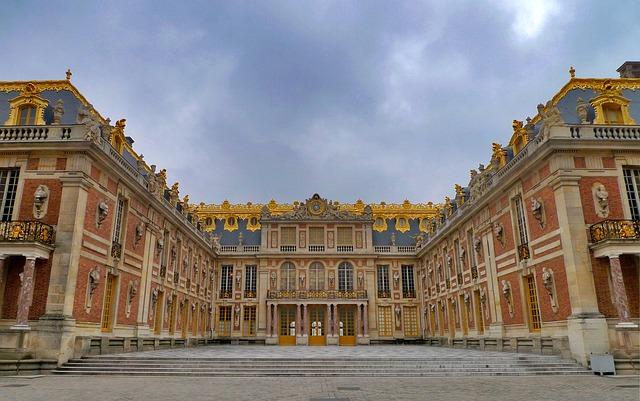
The Musée d’Orsay and the Palace of Versailles represent two key moments in French history. The Musée d’Orsay occupies a former train station inaugurated in 1900, transformed into one of the world’s great art museums. Versailles, a former royal residence, was the epicenter of political power during the French monarchy and symbol of Louis XIV’s absolutism. Together they offer a unique insight into the artistic, social and political evolution of France.
What to see during the visits
The Musée d’Orsay features great works of impressionism and post-impressionism, with artists such as Monet, Van Gogh, Degas, Renoir and Cézanne. Iconic paintings such as The Starry Night over the Rhone or Lunch on the Grass make the visit an essential tour of modern art. At the Palace of Versailles, the Hall of Mirrors, the royal salons and the monumental gardens show the splendor of the French court.
“I don’t paint what I see, I paint what I feel.” – Edgar Degas
Curiosities
- The Musée d’Orsay building was a railway station designed for the 1900 Paris Universal Exposition.
- The Gallery of Mirrors at Versailles has 357 mirrors and was the scene of important historical treaties.
- Monet, one of the star artists of the Musée d’Orsay, gave his name to the Impressionist movement with his work Impression, rising sun.