
About the museum
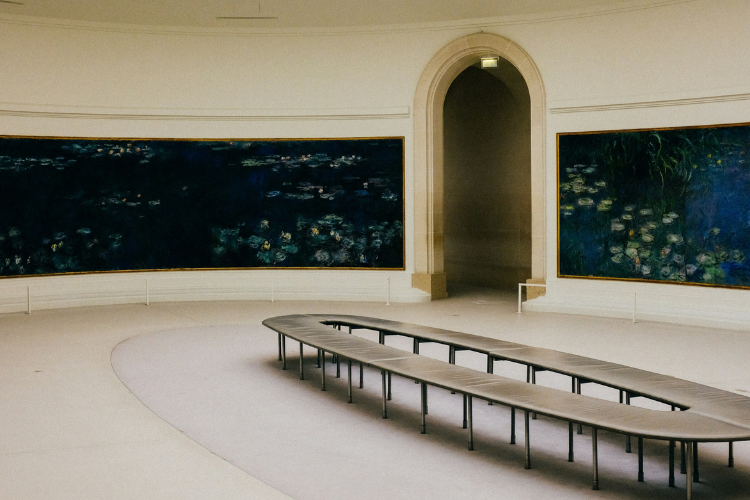
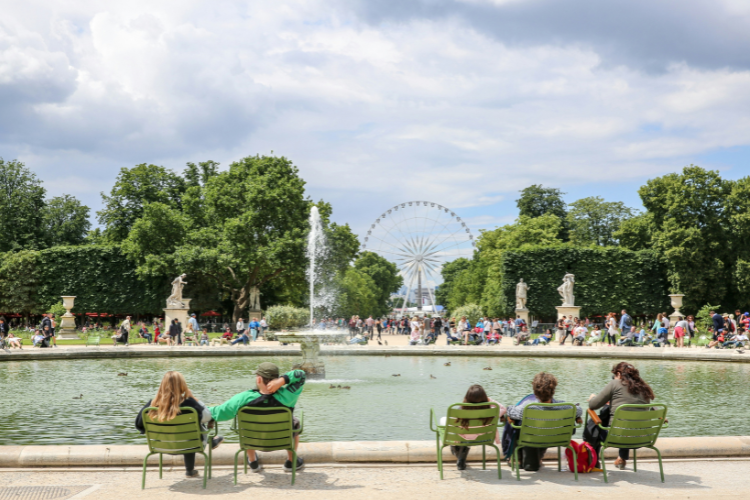
The Musée de l’Orangerie, located in the Tuileries Garden in Paris, occupies a building constructed in 1852 during the reign of Napoleon III to protect the orange trees of the Tuileries Palace during the winter. In the 20th century it was transformed into a museum and, in 1927, became home to Claude Monet’s monumental cycle of The Water Lilies, conceived by the artist himself as a “refuge of peace” after the First World War.
What to see during the visit
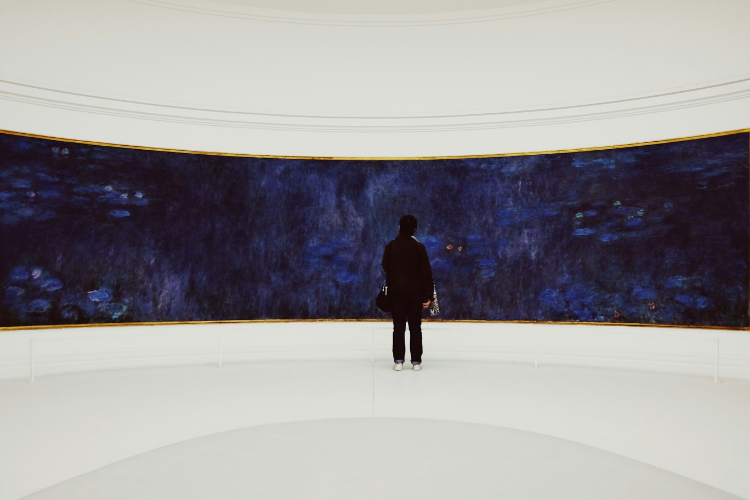
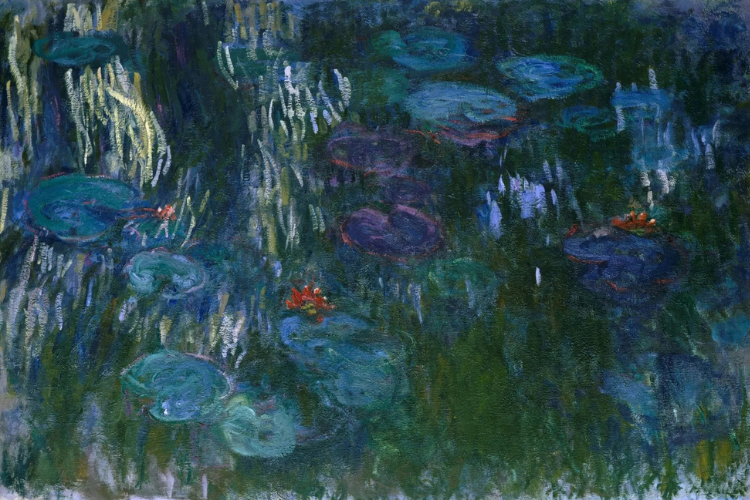
The museum is famous for the two oval rooms that exhibit the set of The Water Lilies by Claude Monet, an enveloping work that invites you to contemplate light and nature. It also houses the Jean Walter-Paul Guillaume collection, with paintings by great masters of modern art such as Pierre-Auguste Renoir, Paul Cézanne, Henri Matisse, Pablo Picasso, Amedeo Modigliani and Chaïm Soutine, among others.
“Color is my daily obsession, my joy and my torment.” – Claude Monet
Curiosities
- Claude Monet personally designed the layout of the oval rooms of the Orangerie so that natural light would accompany the contemplation of The Water Lilies.
- The Water Lilies paintings were donated by Monet to the French State in 1922 as a symbol of peace after the First World War.
- The Jean Walter-Paul Guillaume Collection brings together more than 140 works of modern European art, including some of Amedeo Modigliani’s best-known portraits.