
About museums
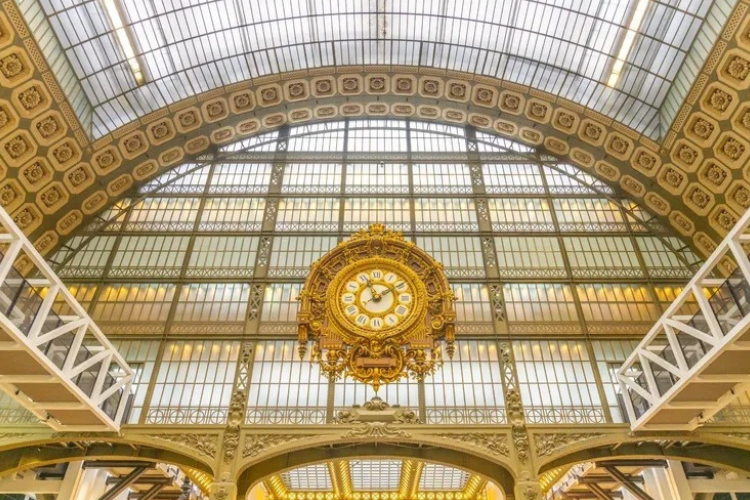
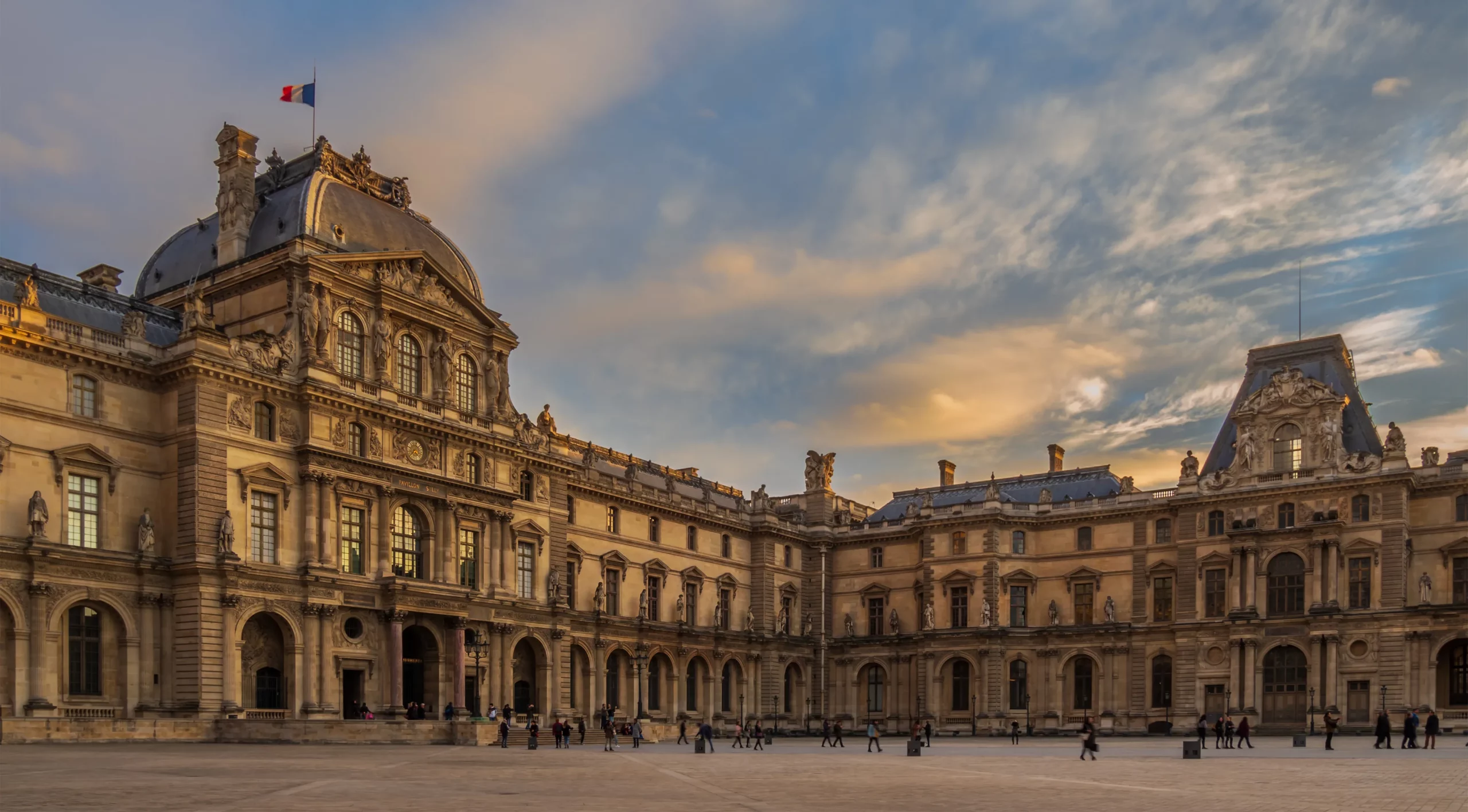
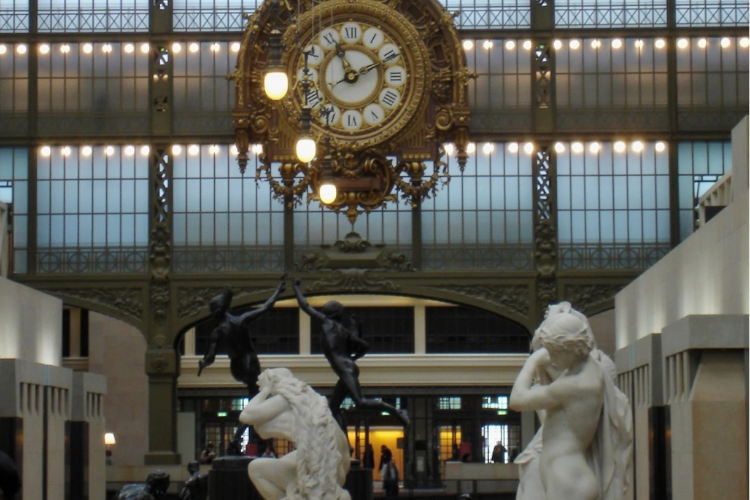
The Musée d’Orsay and the Louvre are two essential stops to understand the history of art in Paris. The Louvre, housed in a former royal palace, traces civilizations and masterpieces from Antiquity to European art. Orsay, housed in a former train station on the banks of the Seine, focuses on the 19th and early 20th centuries, with the great leap towards artistic modernity. Together they offer a complete vision ranging from the classical and monumental to the Impressionist and Post-Impressionist revolution.
What to see during the visit
An audioguide is the best way to adapt the tour to your interests and not miss any detail. The Louvre features universal works such as Leonardo da Vinci’s Mona Lisa, the Venus de Milo or the Victory of Samothrace, as well as great collections of ancient civilizations such as Egypt, Greece and Rome. In Orsay, Impressionism and Post-Impressionism have the leading role, with key pieces by Monet, Renoir, Degas or Van Gogh, along with sculptures, photography and decorative art.
“Beauty perishes in life, but is immortal in art.” – Leonardo da Vinci
Curiosities
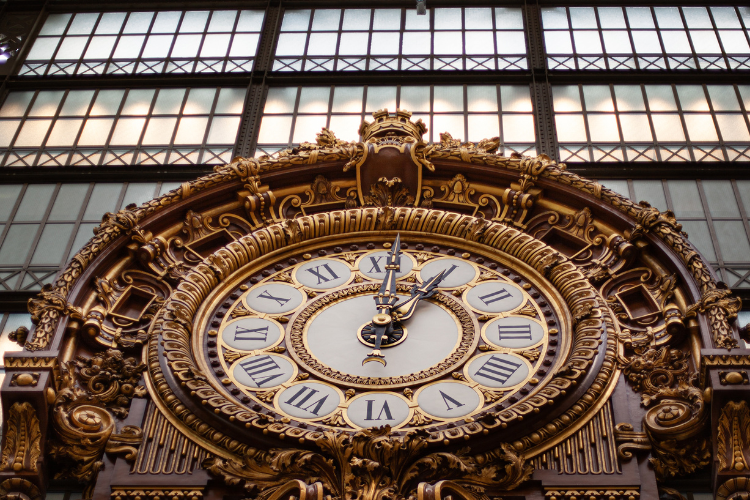
- The Musée d’Orsay preserves the large central nave and the metal structure of the old station, taking advantage of the natural light to create one of the most spectacular rooms in Paris.
- The Louvre was first a medieval fortress and later a royal palace; remnants of that period can still be seen in lower areas of the building.
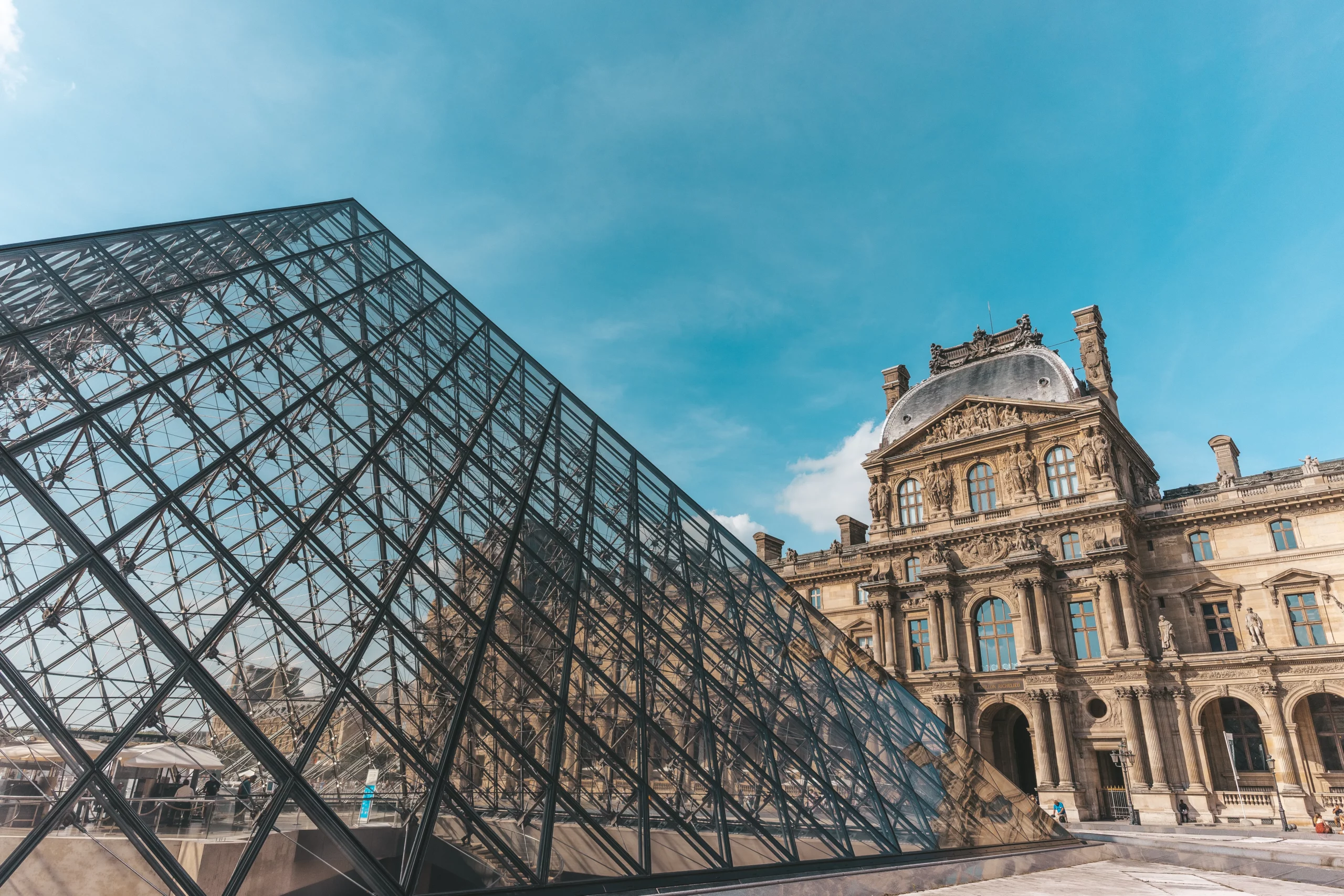
- The Louvre’s glass pyramid, inaugurated in 1989, became a modern icon of the city and the main entrance to the museum.