
About the Musée d’Orsay and the Orangerie
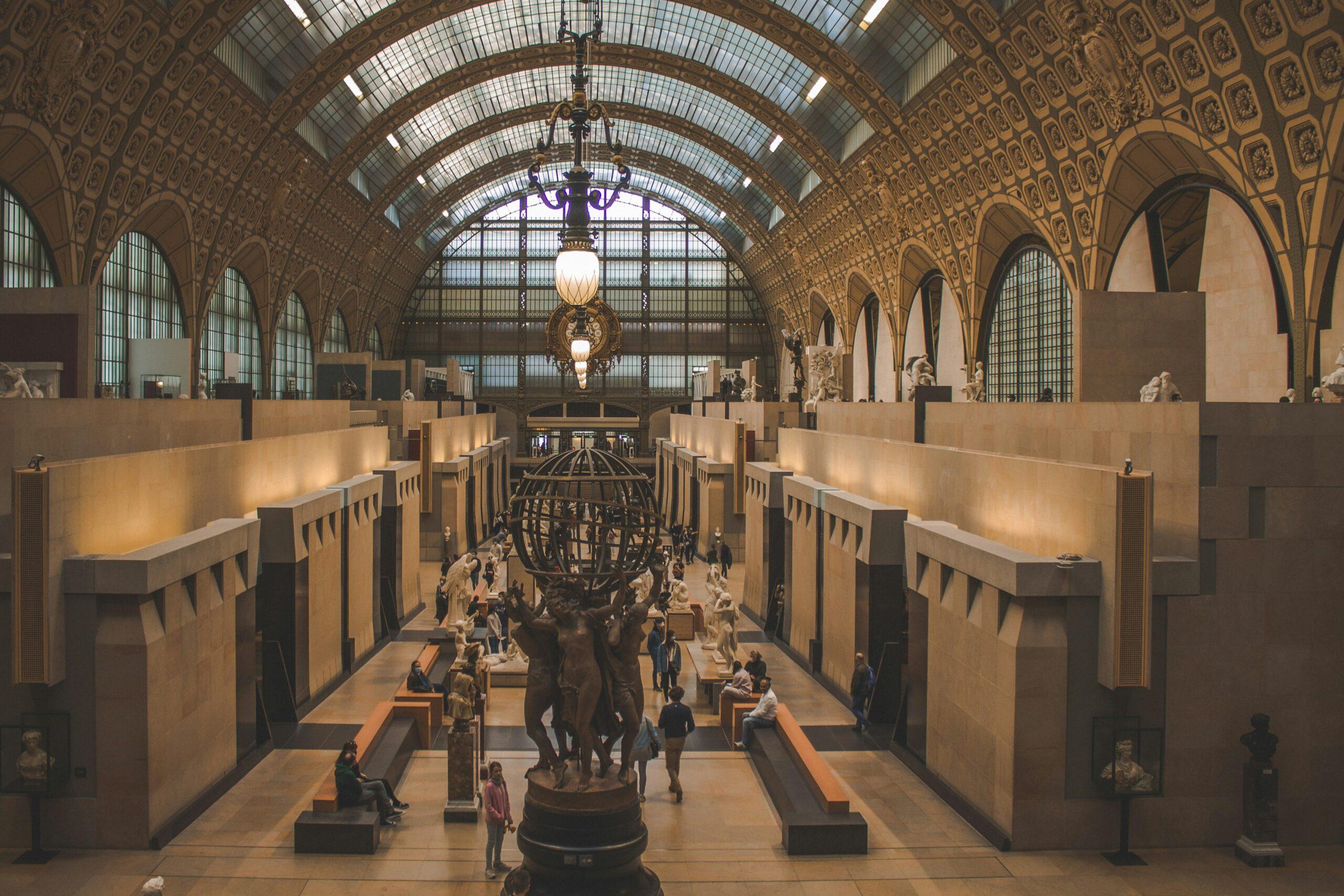
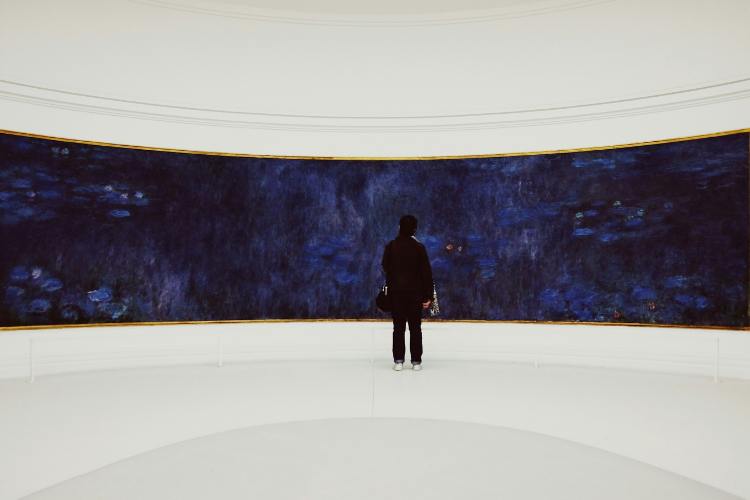
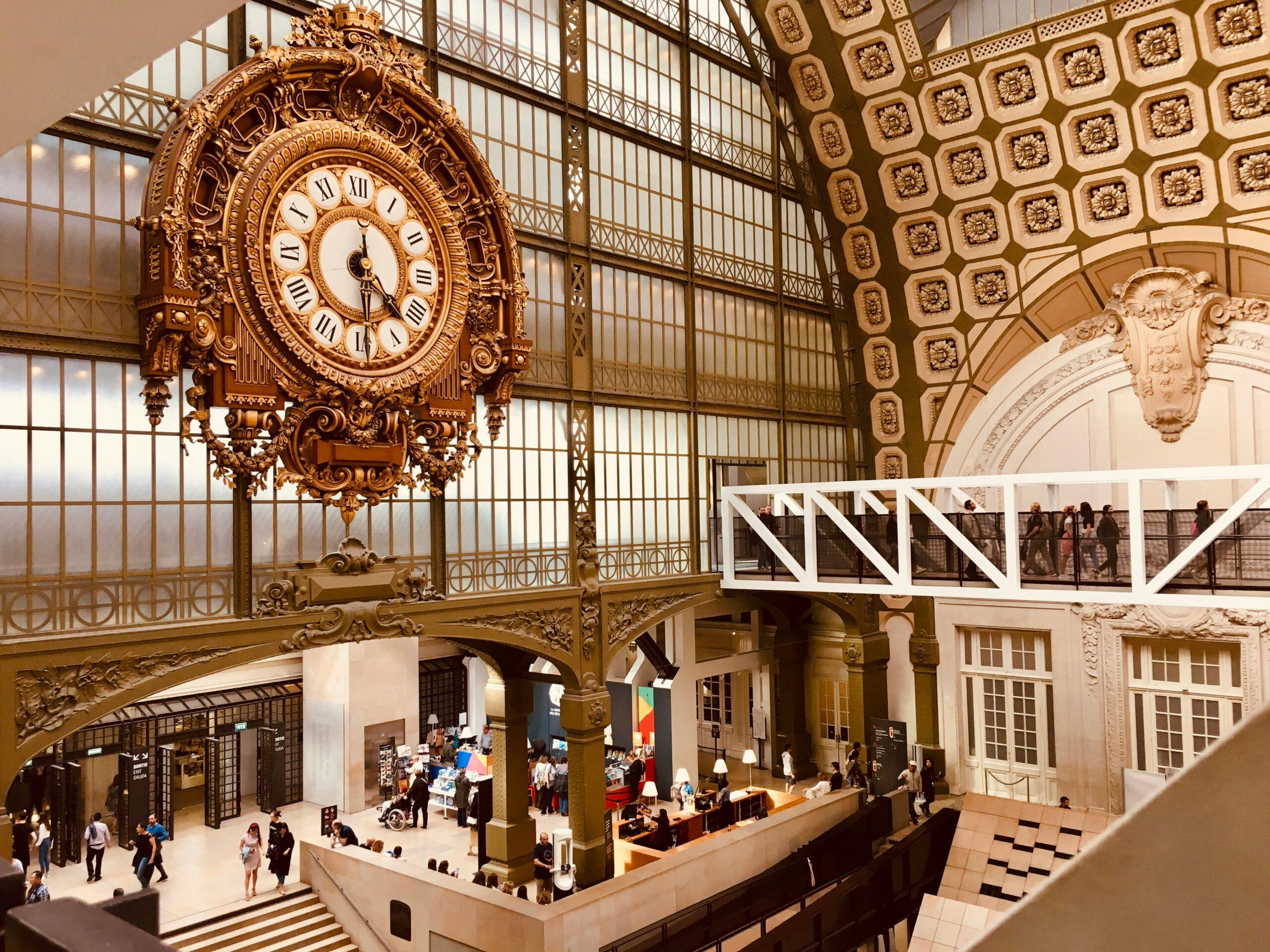
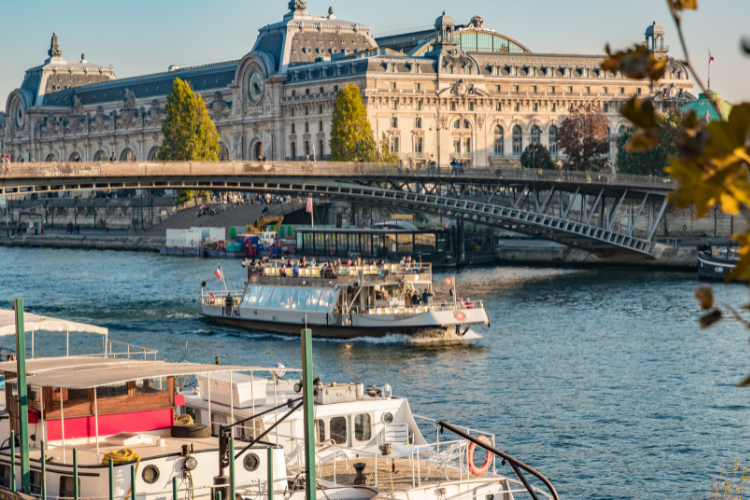
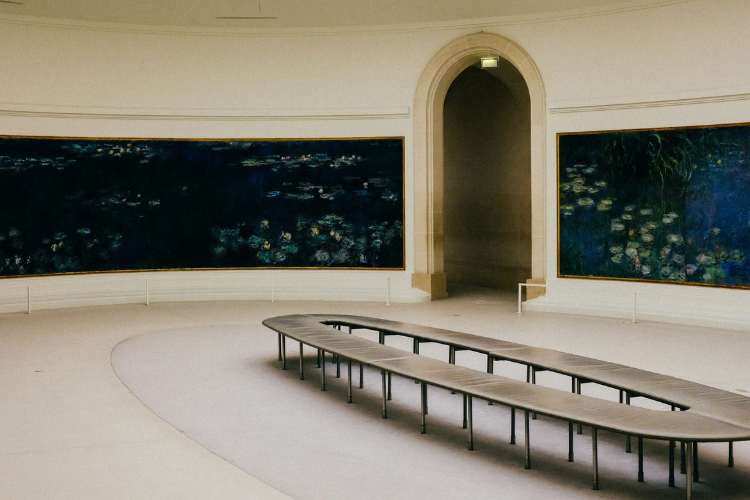
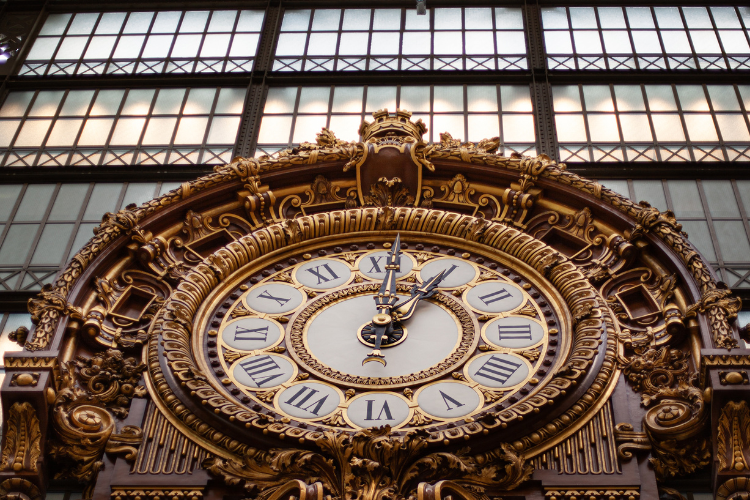
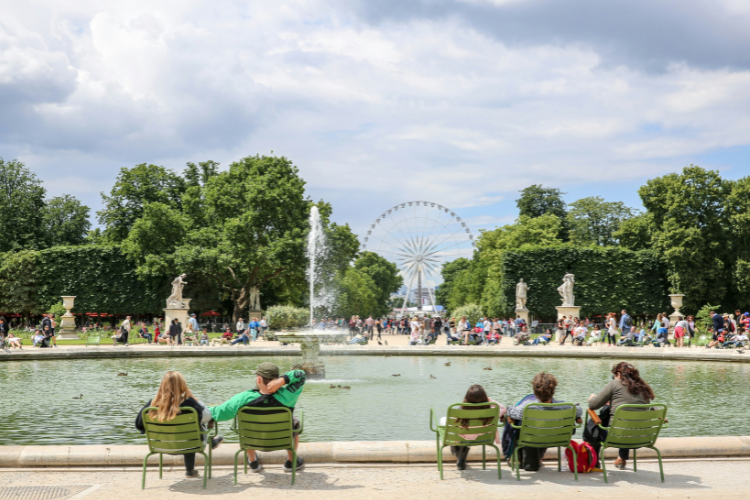
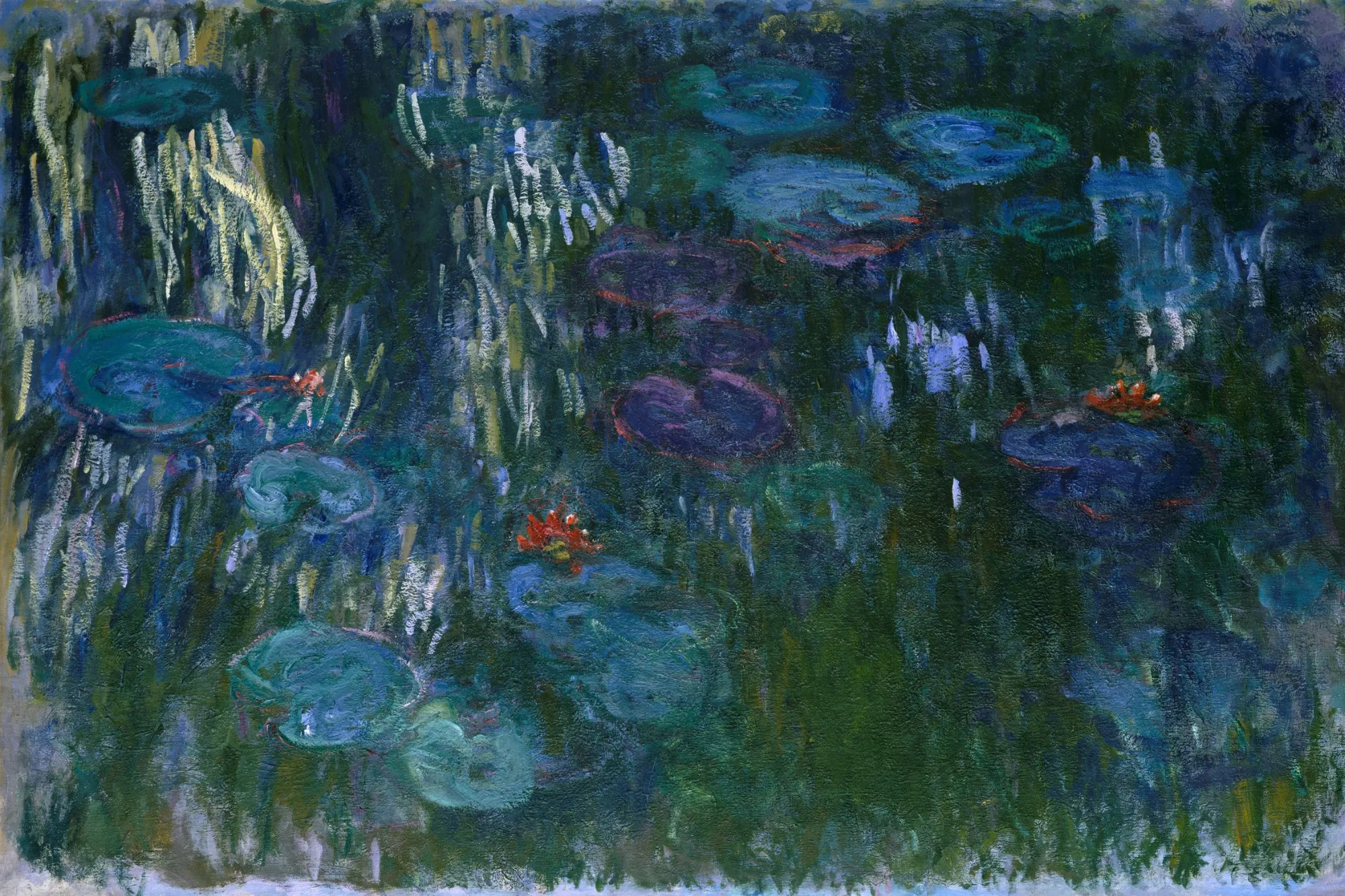
The Musée d’Orsay places you in the heart of 19th century modernism, in an iconic building on the banks of the Seine that was born as a station for the Universal Exhibition of 1900 and today is one of the major references of impressionist and post-impressionist art. The Orangerie Museum, in the heart of the Tuileries Garden, is a much more intimate museum where light and silence accompany the painting. Here the journey becomes almost contemplative, especially in the rooms designed to envelop you with Monet’s Water Lilies.
What to see during the visit
With the audioguide at the Orsay, the tour becomes a clear and enjoyable reading of the great movements from 1848 to 1914, with essential works of Impressionism and Post-Impressionism, as well as sculpture, photography and decorative arts. At the Orangerie, the highlight is Monet’s Water Lilies, installed in 1927 according to the painter’s original idea, in two oval rooms designed for leisurely viewing. And you can also discover the permanent Walter-Guillaume collection, with key names such as Renoir, Cézanne, Matisse, Picasso, Modigliani and Soutine.
“Art is the reflection of life, but not reality itself.” – Claude Monet
Curiosities
- The Musée d’Orsay opened as a museum in 1986 and houses one of the most important Impressionist and Post-Impressionist collections in the world.
- Monet’s Water Lilies were installed at the Orangerie in 1927, a few months after the painter’s death.
- The collection of Jean Walter and Paul Guillaume gathers 148 works and is one of the great, but little known, treasures of Paris.